
On-site scanning | Depona Visual Archive
Depona Visual Archive
On-site scanning2025-04-25T08:37:41+02:00

On-site scanning

Depona offers a qualified on-site scanning service for companies whose information, for security reasons, cannot leave their own office.

En man och en kvinna läser ett dokument

Fill in your details,
and we will contact you.

    A secure procedure

    Depona’s on-site scanning is part of the digitization process of a company’s or organization’s physical archives, but with the difference that the work is carried out by Depona staff on the customer’s premises. This is particularly relevant for companies with security clearance requirements, as well as law firms, banks, and municipalities.

    The assignments involve at least two individuals (more depending on the scope of the assignment) who bring all necessary equipment such as computers, scanners, and even a local network. The latter is important for the assignment to be carried out in line with the customer’s and our own established information security requirements. After completion of the assignment, the scanned and digitized information is handed over to the client on a hard drive. All in accordance with defined conditions and preferences.

    Papper som flyger in i en dator vid sidan av en leende person
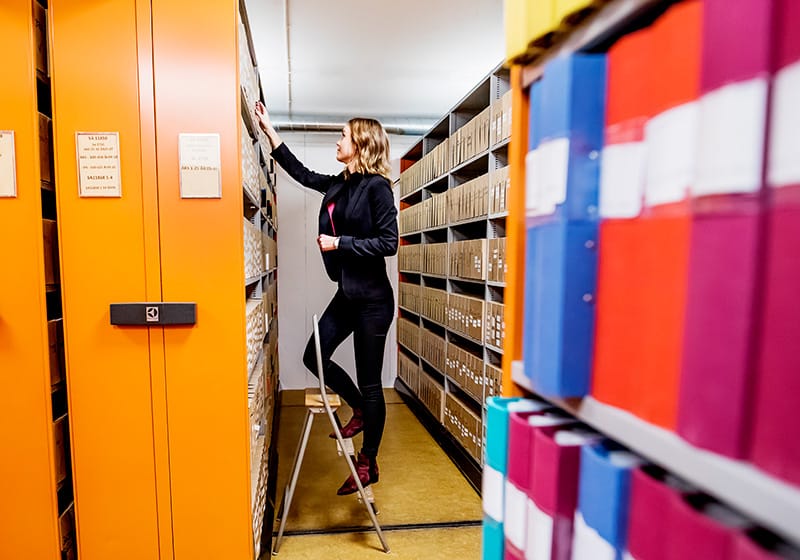
    En person hämtar en pärm i ett arkiv

    Quality with the right technical equipment

    Depona on-site scanning not only assists companies and organizations in scanning their information at their own office, but it also enhances the quality of the end result. Depona’s staff has extensive experience in scanning and the right equipment to do it well. Our security-cleared employees are trained and accustomed to working in various systems, giving them the right conditions to work efficiently and securely with sensitive information.

    Common questions about On-site Scanning

    What does on-site document scanning mean?2026-06-18T14:34:56+02:00

    On-site document scanning means that records are digitized at the organization’s own premises rather than being transported to an external scanning facility. This solution is often used when information is sensitive, security-classified, or otherwise not permitted to leave the organization.

    Depona provides the necessary equipment and personnel to carry out the scanning process directly on the client’s premises.

    When is on-site scanning a better option than sending documents off-site?2026-06-18T14:36:45+02:00

    On-site scanning is particularly suitable when documents contain sensitive information, are subject to internal security requirements, or when an organization wants to minimize the risks associated with transporting records. It is also a practical option when archive materials are extensive or need to remain accessible throughout the digitization process.

    What types of documents can be scanned on-site?2026-06-18T14:40:22+02:00

    On-site scanning can be used for a wide range of records, including personnel files, patient records, contracts, drawings, technical documentation, and other business-critical documents. The solution is tailored to the volume, format, and security requirements of the material being digitized.

    What happens to documents after they have been scanned?2026-06-18T14:45:46+02:00

    After scanning, the documents can be integrated into a digital archiving solution or made accessible through Visual Archive. The organization can then search, manage, and access the information digitally, while the original records can be retained in accordance with applicable regulations and retention requirements.

    How is quality ensured during on-site scanning?2026-06-18T14:47:32+02:00

    Quality is ensured through the use of trained personnel with extensive experience in document management and digitization. Depona utilizes specialized equipment and security-cleared staff who are accustomed to handling sensitive information and working with a variety of business systems. This helps ensure an efficient process and a high-quality, reliable result.

    What does ISO 9001 certification mean for Depona and their customers?2025-04-24T16:19:56+02:00

    The ISO 9001 certification is evidence of Depona’s commitment to quality and continuous improvement. By adhering to the requirements of the ISO 9001 standard, Depona demonstrates that they operate according to a structured quality management model. This means they aim to meet and exceed customer expectations by continuously improving their processes and services. For customers, this translates to increased reliability and confidence in Depona’s products and services.

    How does ISO 14001 certification contribute to the company’s environmental responsibility and sustainability efforts?2024-08-28T14:08:59+02:00

    The ISO 14001 certification confirms the company’s commitment to reducing its environmental impact and promoting sustainability. By implementing an effective environmental management system, the company can minimize its operational impact on the environment by continuously improving and reducing waste, energy consumption, and emissions. Being ISO 14001 certified demonstrates the company’s commitment to conducting its operations in a sustainable manner and taking responsibility for the environment.

    What does the ISO 27001 certification entail for the handling of sensitive information and data?2024-08-28T14:09:09+02:00

    The ISO 27001 certification is a strong testament to the focus on information security and protection of sensitive data. By being certified according to ISO 27001, the company demonstrates that it has implemented comprehensive security controls and management systems to prevent, detect, and manage security threats. This provides customers with confidence that their information is handled with the highest security standards possible and is protected against unauthorized access, alteration, or loss. The ISO 27001 certification is an important step in ensuring that the company meets high requirements for information security and provides its customers with the security they need.

    Go to Top